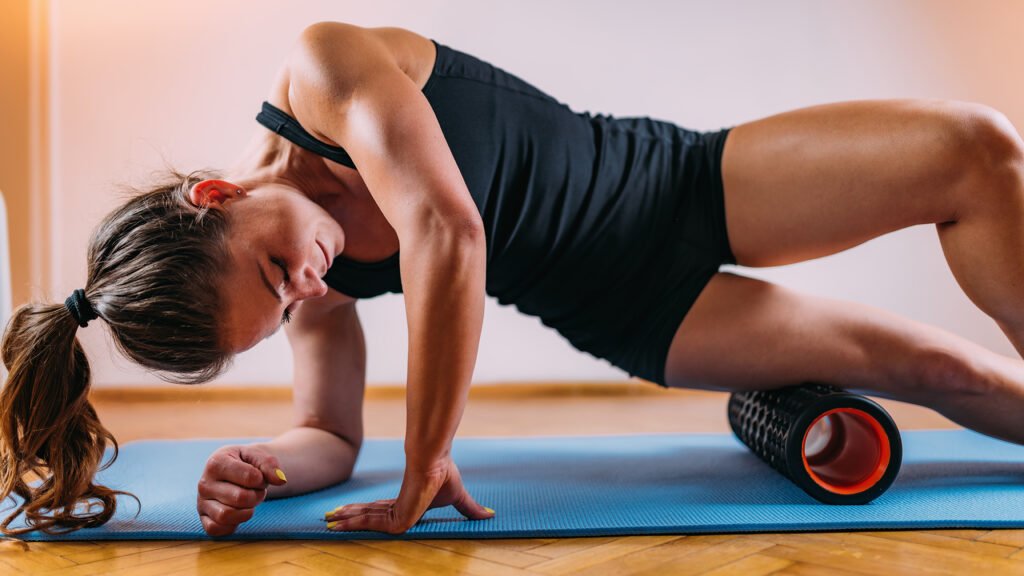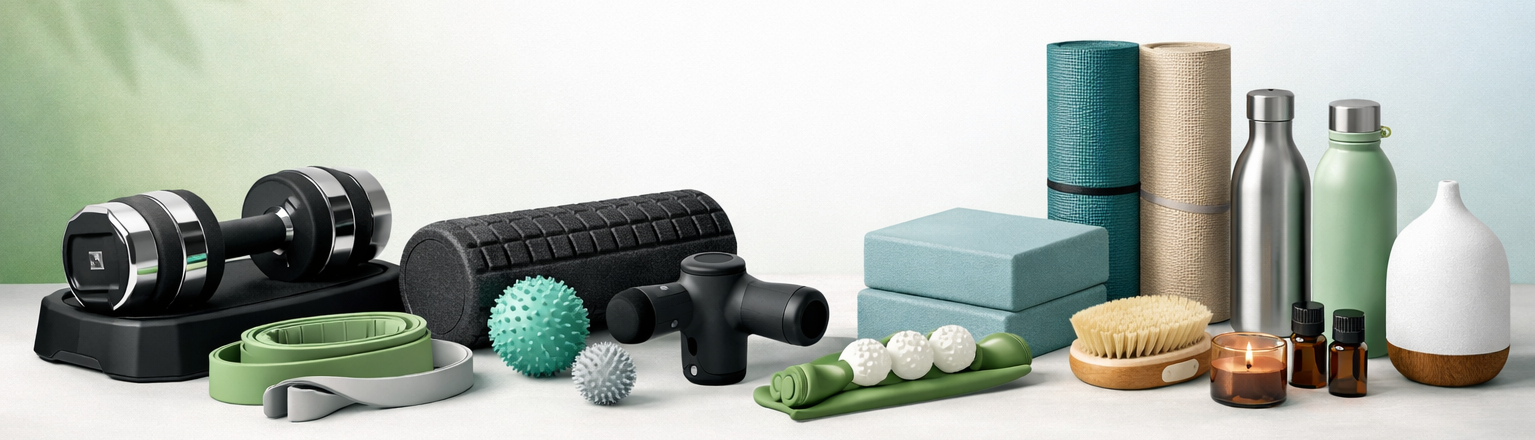
Muscle tightness happens to everyone. However, you don’t need a complicated routine to feel better. A foam roller can help you recover, move easier, and reduce soreness after workouts.
In this guide, you’ll learn the main foam roller benefits, how to use one safely, and a simple routine you can follow at home.
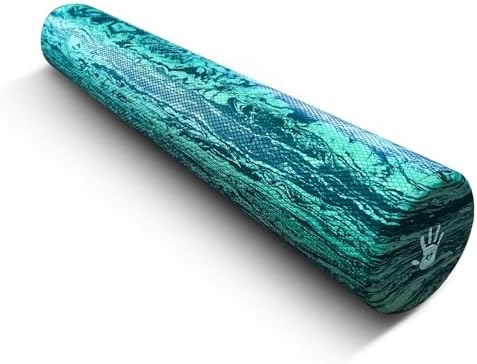

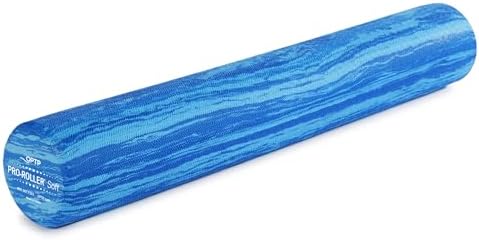
What is a foam roller?
A foam roller is a firm cylinder that you place under your muscles and roll slowly. This technique is often called “self-massage.” As a result, many people use it to loosen tight areas and improve how they move.
Foam roller benefits
1) Helps reduce muscle soreness
After training, your muscles may feel tight or sensitive. A foam roller can help you relax those areas. Therefore, you may feel less sore the next day.
2) Improves mobility and flexibility
Tight muscles can limit your range of motion. For example, stiff calves can affect your ankles, and tight hips can affect your lower back. Foam rolling helps you move more freely, especially when you do it regularly.
3) Supports warm-up and cooldown
You can use a foam roller before workouts to prepare your muscles. Also, you can use it after workouts to help your body relax.
4) Relieves “tight spots”.
Many people feel small tender points, especially in the glutes, calves, and upper back. With slow rolling and steady breathing, these areas often feel better.
How to choose a foam roller (beginner-friendly)
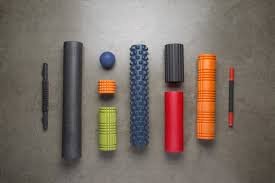
To start, choose a medium-density foam roller. It gives enough pressure without feeling too painful.
Here’s what to look for:
- Medium firmness (best for beginners)
- Standard length (good for full body)
- Simple surface (smooth or light texture)
How to use a foam roller safely
Foam rolling should feel like “good pressure,” not sharp pain. Keep these tips in mind:
- Go slow: Move about 1 inch per second
- Breathe: Slow breathing helps your muscles relax
- Avoid joints: Don’t roll directly over knees, elbows, or ankles
- Skip injured areas: If something feels wrong, stop
- Limit time: 30–60 seconds per muscle is enough
If you have a medical condition or a recent injury, it’s smart to talk to a professional first.
Simple foam rolling routine (10 minutes)
Do this routine after a workout or in the evening. You only need a foam roller and some floor space.
1) Calves (1 minute each side)
Sit on the floor. Place the foam roller under one calf. Roll slowly from ankle to just below the knee.
2) Hamstrings (1 minute each side)
Place the roller under the back of your thigh. Roll from above the knee to the bottom of the glutes.
3) Glutes (1 minute each side)
Sit on the roller and lean slightly to one side. Roll slowly and pause on tight spots.
4) Upper back (2 minutes total)
Lie on the roller across your upper back. Support your head with your hands. Roll from mid-back up to the top of your shoulders.
Tip: Avoid rolling your lower back directly.
5) Quads (1 minute each side)
Lie face down. Place the roller under the front of your thigh. Roll from hip area down to above the knee.
Common mistakes to avoid
- Rolling too fast (it reduces the benefit)
- Holding your breath (it increases tension)
- Using too much pressure (pain is not the goal)
- Rolling the lower back directly (better to focus on glutes and upper back)
How often should you use a foam roller?
For most people:
- 3–5 times per week is a great start
- After workouts is ideal
- Daily is fine if you keep it gentle and short
Consistency matters more than intensity. Therefore, a short routine done often works best.
FAQ
Is foam rolling supposed to hurt?
It can feel uncomfortable at first. However, it should not feel sharp or extreme. Use lighter pressure and roll slower.
Can I foam roll every day?
Yes, many people do. Still, keep sessions short and stop if you feel pain.
When is the best time to foam roll?
After workouts is common. Also, you can do it in the evening to relax tight muscles.
Do I need a textured foam roller?
Not necessarily. Beginners often prefer smooth or lightly textured rollers.
Final thoughts
A foam roller is a simple tool that can support recovery and mobility. Start with a short routine, go slow, and stay consistent. Over time, you’ll likely feel looser and more comfortable in daily movement.