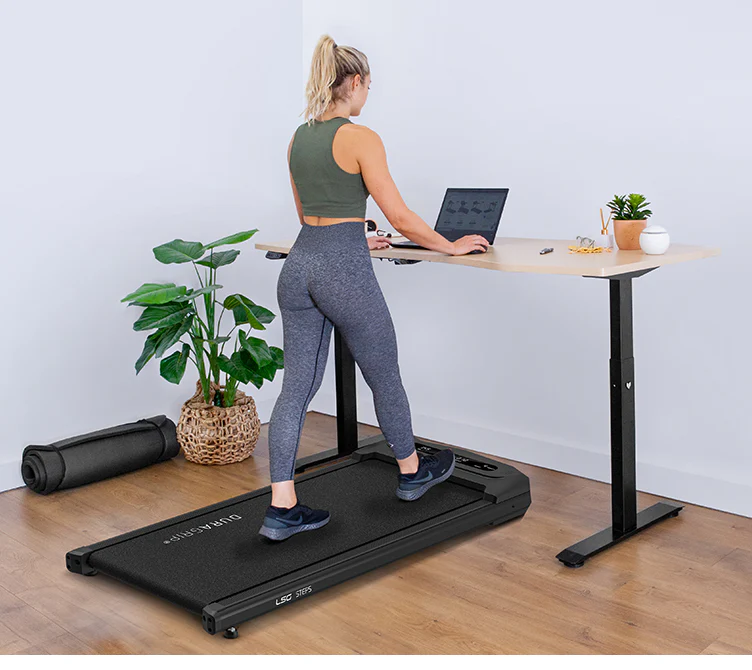
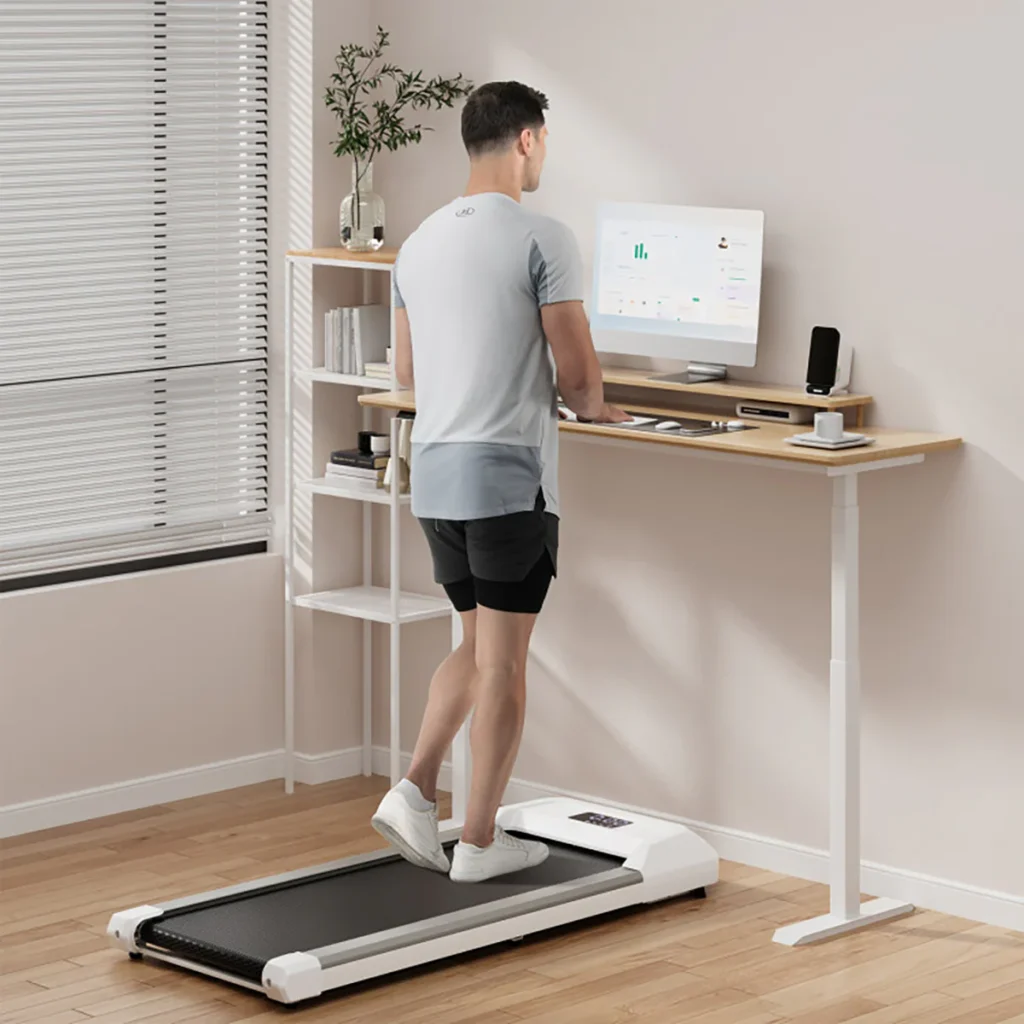
A walking pad is a simple way to stay active at home or in the office. It helps you move more throughout the day and feel better without needing to go to a gym. As a result, many people use a walking pad to support their daily movement and reduce the time spent sitting.
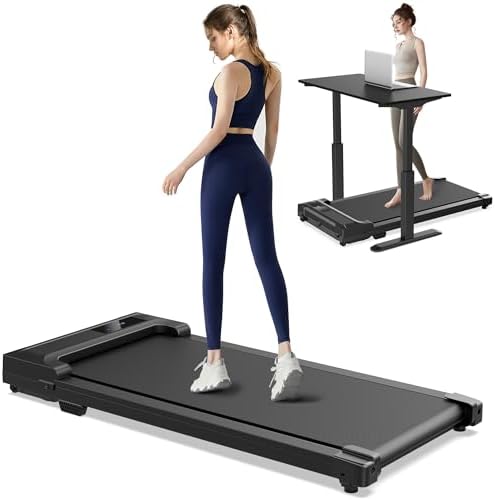

Why a Walking Pad Is Ideal for Home and Office Use
A walking pad fits into real life. It doesn’t ask you to change your entire routine. Instead, it supports a simple habit: walking more often.
Because walking pads are usually compact, they work well in small apartments, home offices, and shared spaces. You can slide one under a desk or store it under a couch when you’re done. In addition, many models are designed to run quietly, which makes them a good option if you have meetings, roommates, or family nearby.
Most importantly, a walking pad helps you break long periods of sitting. Even short walks during the day can improve how your body feels, especially in your hips, legs, and back. Therefore, a walking pad becomes less like “exercise equipment” and more like a daily support tool.
Best Ways to Use a Walking Pad (Without Overthinking It)
You don’t need long sessions to benefit. In fact, short and consistent use often works best.
1) The “Morning Start” (5–10 minutes)
Start your day with an easy walk before work. This helps wake up your body and improves focus.
2) The “Work Blocks” (10–20 minutes)
Walk during tasks that don’t require intense typing. For example:
- reading and reviewing documents
- listening to calls (when possible)
- brainstorming and planning
- watching training videos
3) The “After Lunch Reset” (10 minutes)
A short walk after eating can help reduce the heavy, sleepy feeling that sometimes happens midday.
4) The “Evening Unwind” (10–30 minutes)
Use it while watching a show or listening to a podcast. It’s a calm way to end the day, especially if you don’t want a hard workout.
What to Look For When Choosing a Walking Pad
Before buying, it helps to focus on features that match your space and routine.
Noise level
If you plan to use it in an office or apartment, quiet operation matters. A lower-noise model makes it easier to use consistently.
Size and storage
Check whether it fits:
- under your desk
- under your bed/couch
- in a closet
Also, look at the weight if you plan to move it often.
Speed range
Most people don’t need very high speeds. A comfortable walking pace is usually enough for office use.
Stability and belt comfort
A stable base and smooth belt feel safer and reduce fatigue. This becomes especially important if you use it often.
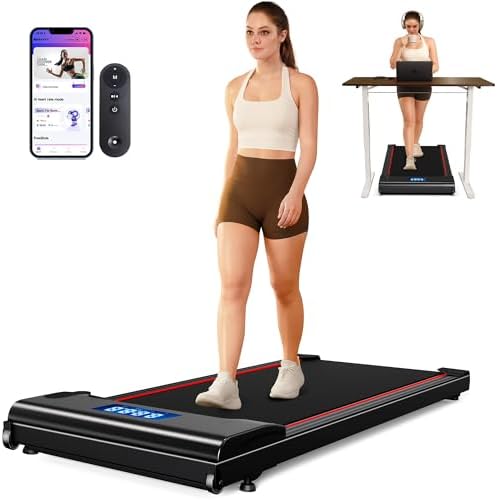
Remote or app controls
Simple controls make it easier to start and stop without interrupting your routine.
Setup Tips for Office Use
Using a walking pad at work is easy, but small adjustments make a big difference.
Desk height
Your elbows should be near a 90-degree angle when typing. If the desk is too low, you may lean forward and strain your back.
Footwear
- If your belt feels firm or you walk longer, wear supportive shoes.
- For short sessions, some people prefer socks; however, shoes usually provide better stability.
Posture reminder
Keep it simple:
- shoulders relaxed
- core lightly engaged
- eyes forward (not down)
Also, reduce typing speed when walking. It’s normal to type slower.
Safety Tips (So It Feels Comfortable, Not Stressful)
A walking pad should feel easy. If it feels risky, you’re going too fast or using it in the wrong moment.
- Start slow for 2–3 minutes before increasing speed
- Avoid fast walking while doing tasks that need full attention
- Use it when you can focus on balance and posture
- Take breaks if your feet or calves feel tight
- If you feel pain (not normal tiredness), stop and reassess
If you have a medical condition or joint pain, it’s a good idea to check with a professional before starting a new routine.
A Simple Walking Pad Routine for Busy Days
If you want a plan that’s realistic, try this:
Week 1 (Build the habit)
- 10 minutes per day, 5 days/week
- Easy pace (you can still talk comfortably)
Week 2 (Add consistency)
- 15 minutes per day, 5 days/week
- Add 1 longer session on the weekend (20–30 minutes)
Week 3–4 (Make it automatic)
- 20 minutes per day, 5 days/week
- Optionally split into 2 sessions (10 + 10)
This approach is simple. However, it’s effective because it fits real schedules.
Common Mistakes That Make People Quit
Trying to do too much on day one
If you start with 60 minutes immediately, soreness and fatigue can make you stop. Instead, build gradually.
Walking too fast while working
For desk use, slower is usually better. You want stable steps, not a workout sprint.
Placing it in an inconvenient spot
If it’s hard to access, you won’t use it. Keep it visible and easy to start.
Ignoring recovery
Walking is low impact, but your calves and feet may need time to adapt. Short sessions help your body adjust.
FAQ: Walking Pad for Home and Office
1) Can I use a walking pad while working?
Yes. Many people use it during tasks like reading, meetings, or light typing. However, start slow so you feel stable.
2) How long should I walk per day?
A good range is 10–30 minutes, depending on your schedule. Also, two short sessions can be easier than one long session.
3) Is a walking pad good for small apartments?
Yes. Most walking pads are designed for compact spaces and easy storage. Still, check the dimensions to make sure it fits where you plan to keep it.
4) Will it be too noisy for an office?
Noise depends on the model and your floor type. In general, walking pads are quieter than full treadmills. Using a mat underneath can also reduce vibration.
5) Do I need special shoes?
Not always, but supportive shoes can make longer sessions more comfortable. If you feel foot fatigue, shoes are usually the fix.
6) Can a walking pad help with weight loss?
It can support weight loss by increasing daily activity. However, results depend on overall habits like consistency, nutrition, and total movement.
7) What is the best walking speed for desk use?
Most people prefer a slow, comfortable pace where they can still focus. Start low and increase only if it still feels stable.
8) How do I stay consistent?
Make it part of something you already do—like morning email checks or evening TV. Therefore, it becomes a habit instead of a “separate workout.”
Final Thoughts
A walking pad is a practical option for people who want more movement without changing their whole schedule. Start small, keep your pace comfortable, and focus on consistency. Over time, those short walks can make your day feel more active, balanced, and less sedentary.